How to Write a Will: A Simple Guide for the UK
A will says what happens to your things when you die. It covers your home, your money, and all you own. Research from the Money and Pensions Service shows over half of UK adults do not have a will. This guide shows you how to write a will in plain, clear steps.
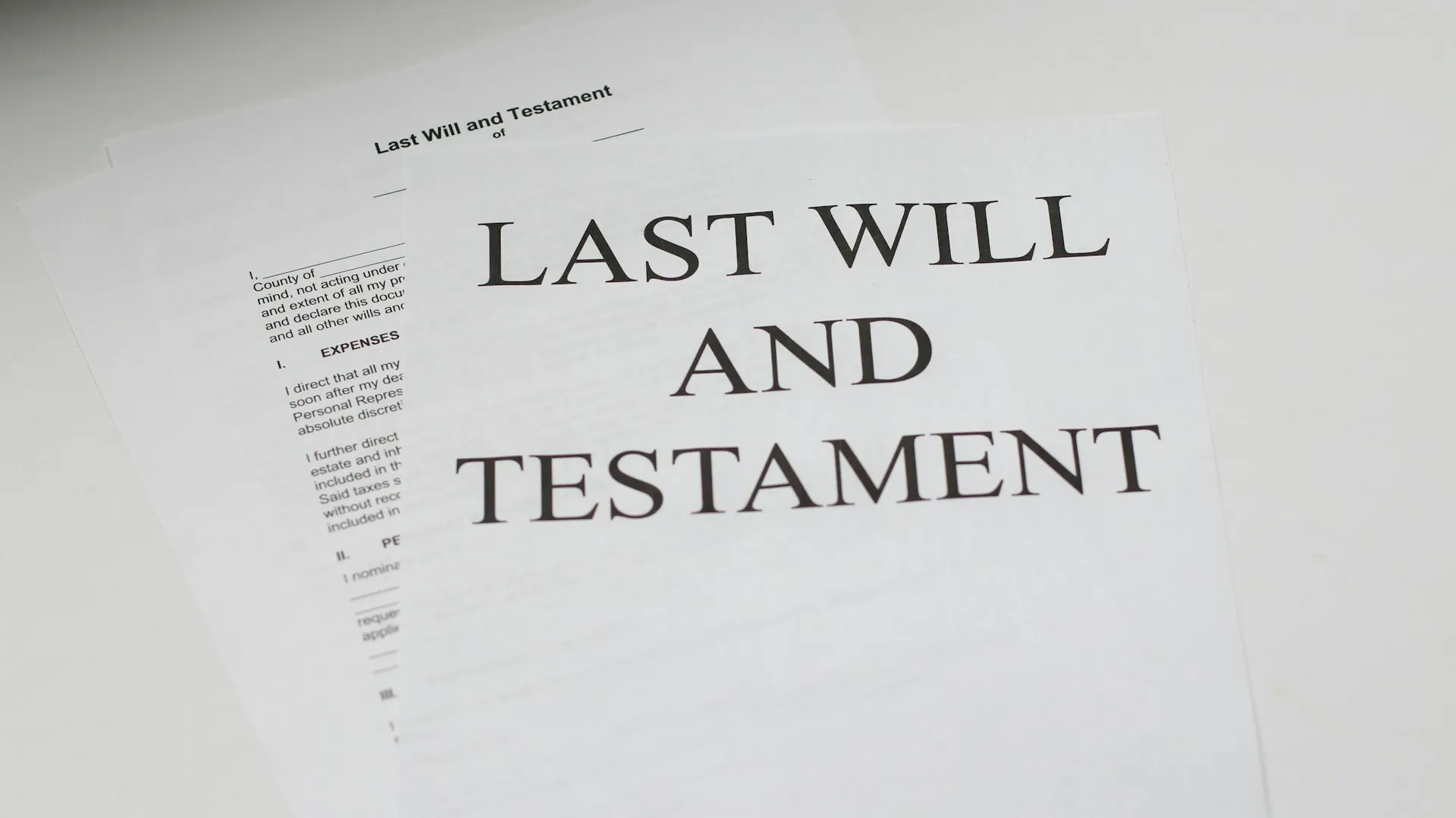


Table Of Contents
Why You Need a Will
A will lets you choose. You pick who gets your home. You pick who gets your money. You pick who gets your car, your savings, and your personal possessions. All the assets you own make up your estate. If you die without a will, the law decides.
If you live with a partner but are not married or in a civil partnership, your partner gets nothing. It does not matter how long you have been together. It does not matter if you share a home. The law does not see them as next of kin.
A will puts you in charge. You say who gets your money. You say who looks after your children. You say who deals with your estate after your death. You can even say what kind of funeral you want.
What Happens If You Die Without a Will
When a person dies without leaving a will, their estate has to be shared out according to certain rules. These are called the 'rules of intestacy'.
If you are married or in a civil partnership with no children, your spouse or civil partner gets it all.
If you are married or in a civil partnership and have children, your spouse or civil partner gets the first £322,000. They also get all personal possessions. They get half of the rest. Your children share the other half.
Unmarried partners get nothing. Close friends get nothing. Only a valid will can change this.
Who Can Write a Will
You can write your own will. No law says you must use a solicitor. But your will must meet a few rules.
- You must be 18 or over
- You must have mental capacity. That means you know what you are doing. No one must force or press you into it
- It must be in writing and signed by the person making the will, in the presence of two witnesses who must also sign the document
If all that is true, you can write your own will. Many people do. That said, it is generally advisable to use a solicitor or to have a solicitor check a will you have drawn up to make sure it will have the effect you want. You should note that a solicitor will charge for their services in drawing up or checking a will.
How to Write a Will: Step by Step
Step 1: List All the Assets You Own
Write down all you own. Think of your home. Your bank accounts. Your savings. Your premium bonds. Your car. Your jewellery. Any other personal possessions.
If you own a business, add it. If you own property overseas, add it. This list is your estate.
Step 2: Choose Who Gets What
The people who get things from your will are your beneficiaries. You can leave money or property to anyone. Your spouse. Your civil partner. Your children. Other family members. Friends. A registered charity.
If you leave money to a charity, use its full name and registered charity number. This avoids mix-ups.
You can leave specific gifts, too. For example, a watch to a friend or books to a niece.
You should also think about what happens if one of your beneficiaries dies before you. You can name a backup person. This way, your wishes are still clear.
Step 3: State Your Funeral Wishes
A will is a good place to say what kind of funeral you want. You can ask to be buried or cremated. You can name a song or a reading. You can say where you want the service to be held.
Your wishes about your funeral are not legally binding. But they help your family know what you would like. This can bring comfort during a hard time.
Step 4: Pick Your Executor
An executor is the person who carries out your wishes. They deal with your estate. They pay debts. They hand out money and property.
You can name one or more. Most people pick a close family member, a friend, or a solicitor.
It is a big responsibility. Talk to them first. Make sure they are happy to do it. They will be responsible for sorting out your whole estate.
If you do not name one, the probate service will choose. This can slow things down.
Step 5: Name a Legal Guardian for Your Children
If you have children under 18, name a legal guardian in your will. This is who will look after them if both parents die.
Without a will, a court will decide. They may not pick who you would pick.
Talk to the person you choose. Make sure they are willing.
Step 6: Think About Inheritance Tax
Inheritance tax is charged at 40% on the part of your estate above £325,000. This is the nil-rate band.
If you leave your home to your children, you may get an extra £175,000 band. A couple could pass on up to £1 million free of tax.
If you leave 10% or more of your estate to charity, the tax rate drops to 36%.
These rules are complex. If your estate is large, seek legal advice.
Note: This is not tax or financial advice. Tax rules can change. Speak to a qualified adviser about your own circumstances.
Step 7: Write It Down
Your will must be in writing. A voice or video will is not valid in England and Wales.
You can write it by hand, type it, or use online templates. Use plain words. Give full names. If you leave money to a charity, add the registered charity number. If you own property overseas, give full details.
Step 8: Sign It With Two Witnesses
For your will to be legally valid, you must sign it in front of two witnesses. Both must be present at the same time when you sign your will. Both must be 18 or over and have the mental capacity to understand what they are doing. They must see you sign. You must see them sign. All of you must sign the same paper.
Your two witnesses must not benefit from the will. If a witness is a beneficiary, that gift fails. The same applies if the witness is the spouse or civil partner of a beneficiary.
This is one of the most common mistakes. Get it wrong and your will may not be valid.
Step 9: Store It Safely
Keep the original will in a safe place. Tell your executor where it is.
You can store it at home, with your solicitor, with your bank, or with the probate service.
If no one can find it after your death, it may be treated as if you died without one.
Ways to Write a Will
DIY Route
You can buy a will kit or use an online template. This is the cheapest way. Some cost just a few pounds.
The risk is that you may make a mistake. A small error can make your will invalid. If your life is simple, this may work fine. If it is not, get help.
For example, if you are married with no children from a past marriage and own just one home in the UK, a DIY will may be all you need. But if you have a complex family or a large estate, the DIY route is risky.
Will Writing Services
Will writing services help you make a will. They can cost £100 to £200, sometimes more.
Be aware: will writing firms are not always regulated in the same way as solicitors. Check what cover you have if things go wrong.
Use a Solicitor
A solicitor is a legal expert. They are regulated by the Solicitors Regulation Authority. They must follow strict rules and carry insurance.
A simple will could cost £150 to £400. Complex wills cost more.
This is the safest option. A solicitor can spot problems. They can give advice on tax and trusts.
A solicitor can also help with a business. They can help if you own property overseas. They can set up a trust to guard your assets. They know the law well. They can help you plan ahead.
You can find local solicitors on the Law Society website.
Free Will Schemes
Many charities offer free or low-cost will-writing services, in return for leaving some of your estate to them. There are also annual campaigns where you can benefit from a solicitor writing your will for free (or for a small voluntary charity donation).
These are run through organisations such as Will Aid, where solicitors donate their time to create basic wills.
When to Seek Legal Advice
Get help if any of these apply to you:
- You share property with someone who is not your spouse or civil partner.
- You have several family members who may claim, like children from a past marriage.
- Your permanent home is outside the UK.
- You own property overseas.
- You run a business.
- You want to set up a trust.
- Your estate is large.
A solicitor can make sure your will does what you want. They help you avoid common mistakes and keep your will legally valid.
Even if you think your circumstances are simple, a quick chat with a solicitor can help. Many offer a free first talk. The cost of advice now could save your family a lot later.
If you are unable to visit in person, many now offer calls or video chats. You do not have to leave your home.
How to Update Your Will
Review your will after any big life change.
Marriage usually cancels an existing will. You will need a new will. Divorce does not cancel your will, but gifts to an ex-spouse may fail. It is best to write a new will.
Other reasons to update: a new child, a death in the family, buying or selling property, or a big change in your finances.
It is a good idea to review your will every few years, even if nothing big has changed. Your life may shift in ways you do not notice at first. A quick review can help you catch any gaps.
Keep in mind that your will only takes effect after your death. While you are alive, you can change it as many times as you like.
Common Mistakes to Avoid
Not signing it right. Your will must be signed by you and two witnesses. If not, it is not valid.
A beneficiary acts as a witness. That gift will fail.
Not updating after marriage. Marriage cancels an existing will.
Being vague. Use full names. Be clear about who gets what.
Forgetting assets. Think of everything: premium bonds, savings, digital items, overseas property.
No guardian named. If you have young children, name a legal guardian.
No one knows where the will is. Tell your executor. If the original will cannot be found, it may as well not exist.
A Note on Scotland and Northern Ireland
This guide covers England and Wales. The rules differ in Scotland and Northern Ireland. If you live there, check the rules that apply to you or seek legal advice.
Summary
A will is one of the best things you can do for those you love. It makes sure your wishes are followed. It saves your family time, stress, and money. You do not need to be rich to need one. If you own a home, have savings, or have children, a will matters.
You can write your own, use a will writing service, or see a solicitor. The best choice depends on how complex your life is. If in doubt, seek legal advice. Do not put it off. The sooner you do it, the sooner you have peace of mind.
No one likes to think about death. But taking this one step now can make a big difference to the people you care about most. Start today.
This article is for general information only. It is not legal, tax, or financial advice. Laws and tax rules can change. If you need advice, speak to a qualified solicitor or financial adviser. This guide covers the law in England and Wales and was correct at the time of writing.